Missed Deadlines, Big Fines: The Compliance Risks of Manual HR
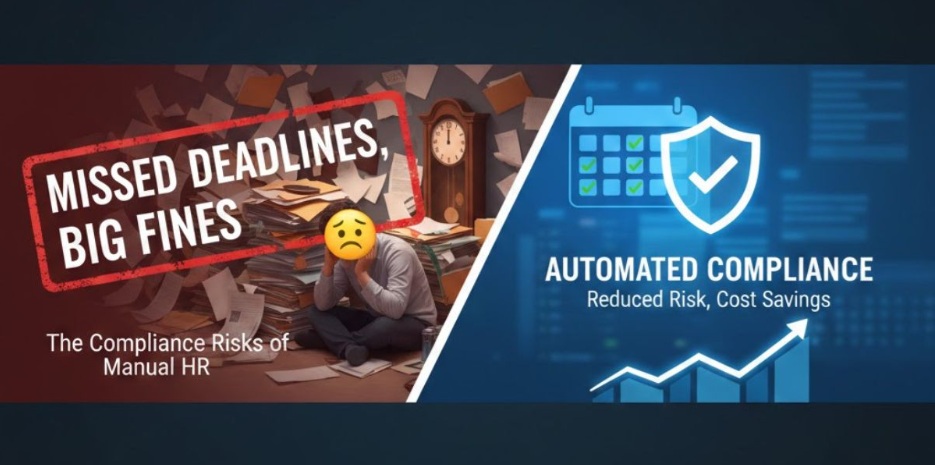
In today’s business environment, HR compliance is no longer a background task—it’s a high-stakes responsibility. Employment laws are constantly evolving, regulatory scrutiny is increasing, and penalties for non-compliance are more severe than ever. Yet many organizations still rely on manual HR processes such as spreadsheets, email reminders, and paper files to manage critical compliance tasks.
While these methods may seem cost-effective or familiar, they expose businesses to significant risks. Missed filing deadlines, inaccurate records, and human error can quickly turn into costly fines, audits, and reputational damage. This article explores why manual HR processes are so risky, the true cost of non-compliance, and how automation can help organizations stay compliant and confident.
Understanding HR Compliance in Today’s Regulatory Environment
HR compliance refers to an organization’s adherence to labor laws, employment regulations, and internal policies that govern the employee lifecycle. This includes everything from hiring and onboarding to payroll, benefits administration, workplace safety, and employee termination.
Key areas of HR compliance include employee classification, minimum wage and overtime rules, payroll tax filings, benefits eligibility, data privacy, and mandatory reporting to government agencies. Depending on location and industry, employers may also need to comply with health and safety regulations, anti-discrimination laws, and industry-specific standards.
What makes compliance especially challenging today is the pace of change. Laws are frequently updated, new regulations are introduced, and enforcement efforts are becoming more aggressive. Add remote work, global hiring, and contractor-heavy workforces into the mix, and compliance quickly becomes a complex, ongoing process rather than a one-time checklist.
Why Manual HR Processes Are Still Common?
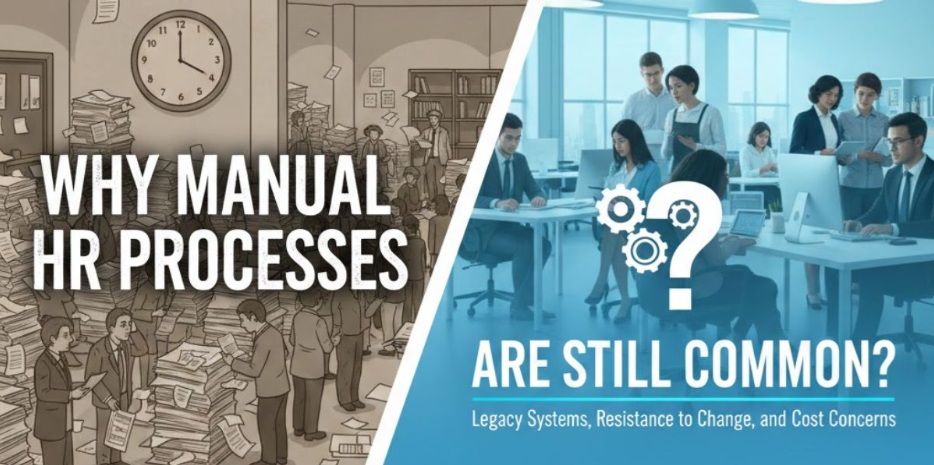
Despite the risks, manual HR processes remain widespread—especially among small and mid-sized organizations. Many HR teams rely on spreadsheets, shared drives, and email chains simply because that’s how things have always been done.
Cost concerns are another major factor. Some organizations view HR technology as an expense rather than an investment, assuming manual processes are “good enough.” In reality, HR teams are often stretched thin, juggling recruitment, employee relations, payroll coordination, and compliance tasks all at once. Without dedicated tools, compliance tracking becomes reactive rather than proactive.
There’s also a lack of visibility into the true risks of manual HR. Problems often remain hidden until something goes wrong—an audit notice arrives, a deadline is missed, or an employee files a complaint.
The Hidden Compliance Risks of Manual HR
|
Missed Deadlines |
One of the biggest dangers of manual HR processes is missed deadlines. Payroll tax filings, benefits enrollment periods, contract renewals, and mandatory labor law postings all have strict timelines. Relying on calendar reminders or individual memory makes it easy for critical dates to slip through the cracks—especially during busy periods or staff transitions. |
|
Human Error |
Manual data entry increases the likelihood of mistakes. Incorrect employee classifications, inaccurate payroll data, or outdated compliance forms can lead to violations even when intentions are good. A single typo or miscalculation can result in underpaid wages, incorrect tax withholdings, or benefits eligibility errors. |
|
Poor Recordkeeping |
Compliance is not just about doing the right thing—it’s about proving you did it. Manual systems often lead to inconsistent documentation, missing files, and scattered records across multiple platforms. When auditors or regulators request documentation, HR teams may struggle to locate accurate, complete records in a timely manner. |
The Real Cost of Non-Compliance
The consequences of HR non-compliance extend far beyond simple fines. Financial penalties can include late filing fees, back taxes, unpaid wages, and government-imposed fines that add up quickly. In some cases, organizations may also face lawsuits, legal settlements, or class-action claims.
Audits and investigations are another costly outcome. Preparing for an audit consumes time, resources, and energy—often pulling HR and leadership away from strategic initiatives. Even if violations are minor, the process itself can be disruptive and stressful.
Beyond financial and legal impacts, non-compliance can seriously damage an organization’s reputation. Employees may lose trust in leadership, candidates may hesitate to join, and customers or partners may question the organization’s credibility. In competitive talent markets, a damaged employer brand can be difficult to repair.
Industries and Organizations Most at Risk
While no organization is immune to compliance risk, some face higher exposure than others. Small and mid-sized businesses often lack dedicated compliance specialists, making them more vulnerable to errors. Rapidly growing companies may struggle to keep up with new regulations as their workforce expands.
Organizations with remote or international employees face additional challenges related to regional labor laws, tax requirements, and benefits regulations. Highly regulated industries such as healthcare, finance, and manufacturing also operate under stricter oversight, where even minor compliance failures can trigger serious consequences.
How HR Automation Reduces Compliance Risk?
HR automation plays a critical role in reducing compliance risk by replacing fragmented manual processes with centralized, standardized systems. Automated HR platforms store employee data in one secure location, reducing duplication and inconsistencies.
One of the biggest advantages of automation is proactive compliance management. Automated alerts and reminders help ensure that deadlines for filings, renewals, and reporting are never missed. Many platforms also update compliance rules as regulations change, reducing reliance on manual research and interpretation.
Standardized workflows ensure that processes such as onboarding, offboarding, and benefits enrollment follow consistent, compliant steps every time. Real-time reporting and audit logs make it easier to demonstrate compliance and respond quickly to audits or information requests.
Rather than reacting to compliance issues after they occur, automation helps organizations prevent them in the first place.
Key Features to Look for in a Compliant HR System
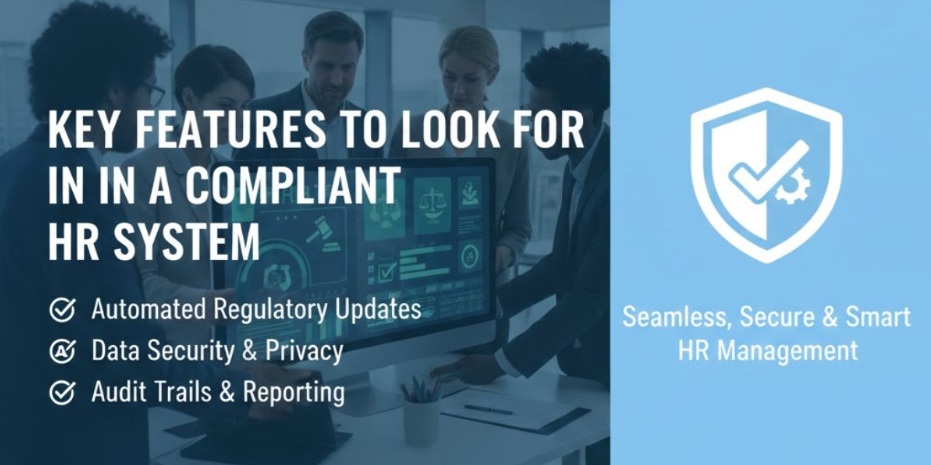
When evaluating HR software from a compliance perspective, certain features are essential. Automated compliance calendars and alerts help track critical deadlines. Secure document management ensures employee records are stored safely and access is controlled.
Integration with payroll and tax systems reduces the risk of discrepancies and duplicate data entry. Role-based access controls protect sensitive information, while reporting tools and audit trails provide transparency and accountability.
Scalability is also important. A compliant HR system should grow with the organization, adapting to new regulations, locations, and workforce structures without adding complexity.
Conclusion: From Risk to Readiness
Manual HR processes may feel familiar, but they come with hidden risks that modern organizations can no longer afford to ignore. Missed deadlines, data errors, and poor recordkeeping can quickly lead to fines, audits, and lasting reputational damage.
By investing in HR automation and proactive compliance management, organizations can shift from reactive problem-solving to long-term risk prevention. In a regulatory landscape where the cost of mistakes is high, the right HR systems don’t just improve efficiency—they protect the business.
Frequently Asked Questions
What is HR compliance?
HR compliance refers to an organization’s adherence to employment laws, labor regulations, and internal policies that govern how employees are hired, paid, managed, and protected.
Why are manual HR processes risky?
Manual processes increase the likelihood of human error, missed deadlines, inconsistent documentation, and limited visibility into compliance obligations.
What types of fines can result from HR non-compliance?
Common penalties include payroll tax fines, wage and hour violations, benefits administration penalties, and late or incorrect regulatory filings.
Are small businesses at risk of compliance fines?
Yes. Regulatory agencies apply compliance standards regardless of company size, and small businesses often face higher relative impact from fines.
How does HR software help with compliance?
HR software automates reminders, centralizes records, standardizes workflows, and provides audit-ready reporting to reduce compliance risk.
Can HR automation replace human oversight?
No. Automation supports HR teams by reducing manual work and errors, but human judgment is still essential for decision-making and policy interpretation.