How Inefficiencies in HR Drain Your Budget Every Year
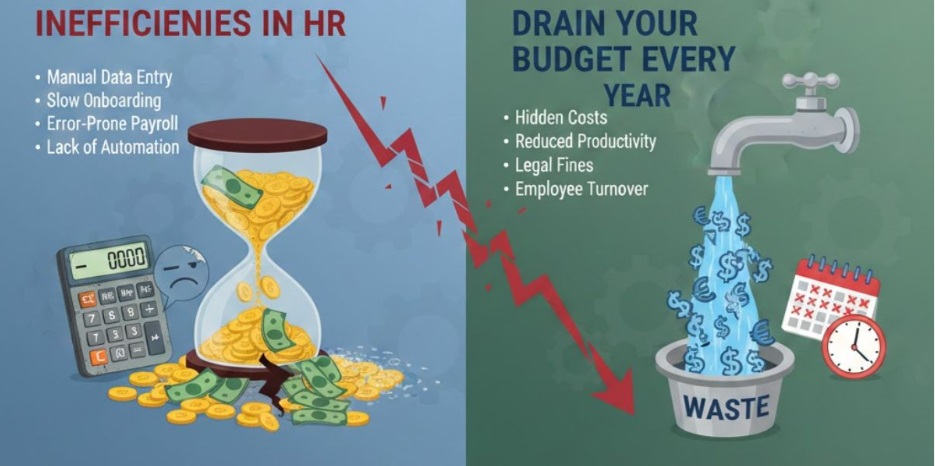
Human Resources is often perceived as a necessary support function rather than a strategic driver of business value. However, when HR operations are inefficient, the financial consequences can be substantial and persistent. These inefficiencies rarely appear as a single large expense; instead, they quietly accumulate through wasted time, high employee turnover, compliance risks, and missed productivity opportunities. Over the course of a year, and especially as an organization scales, these hidden costs can drain a significant portion of the budget.
Many companies continue to rely on outdated processes, fragmented systems, and reactive decision-making, unaware of how deeply these issues affect profitability. By identifying where HR inefficiencies occur and understanding their financial impact, organizations can take proactive steps to reduce costs, improve workforce performance, and transform HR from a cost center into a value-generating function.
HR Inefficiencies That is Draining Your Budget
Manual and Time-Consuming HR Processes
One of the most common sources of HR inefficiency is an overreliance on manual processes. Many HR teams still manage payroll, attendance, leave requests, and employee records through spreadsheets, emails, or paper-based systems. While these methods may appear inexpensive on the surface, they consume a significant amount of time and are highly prone to error.
HR professionals often spend hours each week on repetitive administrative tasks that could easily be automated. This not only increases labor costs but also prevents HR teams from focusing on higher-value activities such as workforce planning, employee engagement, and talent development. Errors in data entry or payroll calculations can lead to costly corrections, employee dissatisfaction, and even compliance issues. Over time, the cumulative cost of inefficiency—measured in hours lost and mistakes made—adds up to a substantial budget drain.
Inefficient Recruitment and Hiring Practices
Hiring inefficiencies are another major contributor to unnecessary HR expenses. Lengthy recruitment cycles mean roles remain unfilled for extended periods, resulting in lost productivity and increased pressure on existing employees. In revenue-generating roles, vacant positions can directly translate into missed income opportunities.
Poor screening and inconsistent hiring processes often lead to bad hires, which are among the most expensive HR mistakes an organization can make. The costs of onboarding, training, and eventually replacing an unsuitable employee far exceed the initial recruitment expenses. Additionally, excessive reliance on external recruiters, job boards, and manual resume screening can significantly inflate hiring costs. Without structured, data-driven recruitment practices, organizations end up spending more while achieving less effective hiring outcomes.
High Employee Turnover and Poor Retention
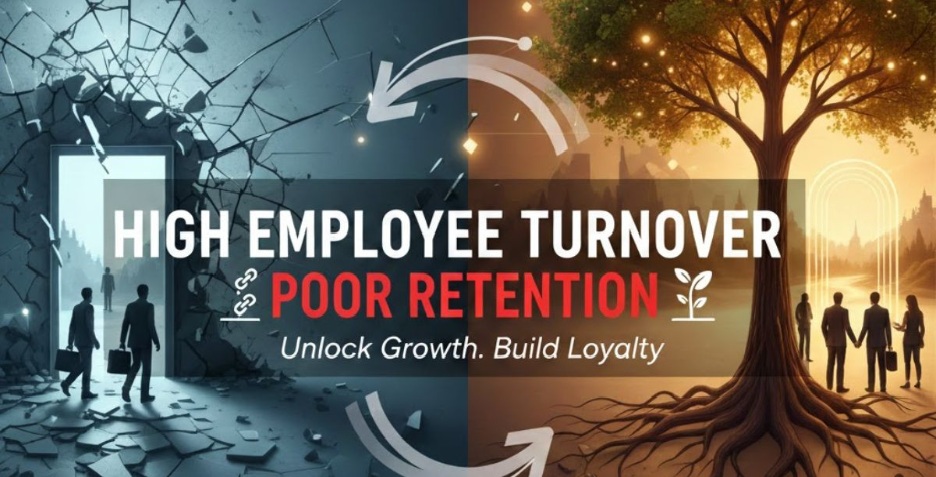
Employee turnover is one of the clearest indicators of HR inefficiency—and one of the most expensive. High attrition rates are often linked to weak onboarding processes, unclear performance expectations, lack of career development opportunities, and inconsistent management practices. When employees leave, organizations incur both direct and indirect costs.
Direct costs include recruitment fees, training expenses, and administrative processing. Indirect costs are often even higher and include lost institutional knowledge, reduced team morale, lower productivity, and the time managers spend covering vacancies. Frequent turnover also disrupts team dynamics and can harm employer branding, making future hiring more difficult and expensive. Ineffective HR policies and a lack of structured employee engagement strategies accelerate attrition, causing organizations to repeatedly spend money replacing talent instead of developing it.
Inadequate Performance Management Systems
Performance management is a critical area where inefficiencies quietly impact budgets. Many organizations still rely on annual performance reviews that offer little actionable feedback and fail to align individual goals with business objectives. This outdated approach can lead to disengagement, confusion, and underperformance.
When performance is not tracked effectively, high performers may feel undervalued while underperformers remain unaddressed. This misalignment results in wasted compensation spend, missed growth opportunities, and reduced overall productivity. Without continuous feedback and data-driven performance insights, organizations struggle to optimize workforce output. Over time, the cost of unaddressed performance gaps becomes significant, affecting both operational efficiency and long-term profitability.
Compliance Failures and Legal Risks
HR inefficiencies can also expose organizations to serious compliance and legal risks. Poor documentation, inconsistent record-keeping, and inadequate tracking of labor laws, contracts, and benefits increase the likelihood of errors. Payroll miscalculations, overtime violations, and benefits mismanagement can quickly escalate into fines, penalties, or legal disputes.
In addition to financial penalties, legal issues consume management time and damage organizational reputation. Audits become more stressful and costly when HR records are incomplete or inaccurate. These risks are often preventable, yet many organizations underestimate the financial impact of non-compliance until they face regulatory action. Inefficient HR systems significantly increase exposure to these avoidable costs.
Lack of HR Data and Analytics
Without reliable HR data and analytics, organizations are forced to make workforce decisions based on intuition rather than evidence. Many HR teams lack visibility into critical metrics such as turnover rates, cost per hire, absenteeism, and employee engagement levels. This lack of insight makes it difficult to identify inefficiencies early or measure the effectiveness of HR initiatives.
As a result, organizations may overspend on programs that deliver little value while failing to address the real drivers of cost and performance issues. The inability to forecast workforce needs or identify trends also leads to reactive decision-making, which is typically more expensive than proactive planning. Over time, the absence of data-driven HR management results in sustained budget leakage.

Technology Gaps and Fragmented HR Systems
Outdated or fragmented HR technology is another major source of inefficiency. Many organizations use multiple disconnected systems for payroll, recruitment, performance management, and employee data. These silos create duplication of work, inconsistencies in data, and a poor user experience for both HR teams and employees.
Maintaining legacy systems often involves high IT support costs, frequent downtime, and limited scalability. Employees become frustrated with complex or unreliable tools, leading to low adoption rates and continued reliance on manual workarounds. The organization ends up paying for technology that fails to deliver its intended return on investment. Over time, these technology gaps contribute significantly to ongoing budget drain.
Conclusion: Turning HR from a Cost Center into a Value Driver
HR inefficiencies may not always be immediately visible, but their financial impact is undeniable. From manual processes and inefficient hiring to high turnover, compliance risks, and outdated technology, these issues quietly erode budgets year after year. The good news is that many of these inefficiencies are preventable.
By investing in process optimization, automation, integrated HR systems, and data-driven decision-making, organizations can significantly reduce unnecessary costs while improving employee experience and performance. Efficient HR operations not only lower expenses but also enable strategic workforce planning and sustainable growth. Ultimately, addressing HR inefficiencies is not just an operational improvement—it is a financial imperative that can transform HR into a true driver of business value.
Frequently Asked Questions
What are the most common HR inefficiencies that increase costs?
The most common HR inefficiencies include manual administrative processes, lengthy hiring cycles, poor onboarding, high employee turnover, outdated performance management systems, compliance gaps, and fragmented HR technology. These issues increase labor costs, reduce productivity, and create recurring expenses that accumulate year after year.
How do HR inefficiencies impact a company’s budget?
HR inefficiencies impact budgets by increasing operational costs, causing productivity losses, and exposing organizations to legal and compliance risks. Hidden costs such as lost employee time, frequent rehiring, disengagement, and payroll errors often outweigh visible HR expenses, making inefficiencies far more expensive than they appear.
Why is employee turnover so costly for organizations?
Employee turnover is costly because it involves recruitment fees, onboarding and training expenses, lost productivity, and reduced team morale. In many cases, replacing an employee can cost 30% to 200% of their annual salary, depending on the role. High turnover also disrupts business continuity and increases long-term hiring costs.
How does outdated HR technology drain budgets?
Outdated HR technology leads to duplicate work, data errors, poor reporting, and low employee adoption. Organizations often spend more on system maintenance, IT support, and manual workarounds than they would on modern, integrated HR platforms. This results in lower ROI and ongoing inefficiencies.
Can automating HR processes really reduce costs?
Yes, automating HR processes significantly reduces costs by minimizing manual work, improving accuracy, and speeding up workflows. Automation in areas such as payroll, recruitment, attendance tracking, and performance management allows HR teams to focus on strategic initiatives while reducing administrative overhead.
How do HR inefficiencies affect employee engagement?
Inefficient HR processes frustrate employees through delays, errors, and lack of transparency. Poor onboarding, unclear performance expectations, and limited growth opportunities can lead to disengagement, which directly impacts productivity and increases the likelihood of attrition.